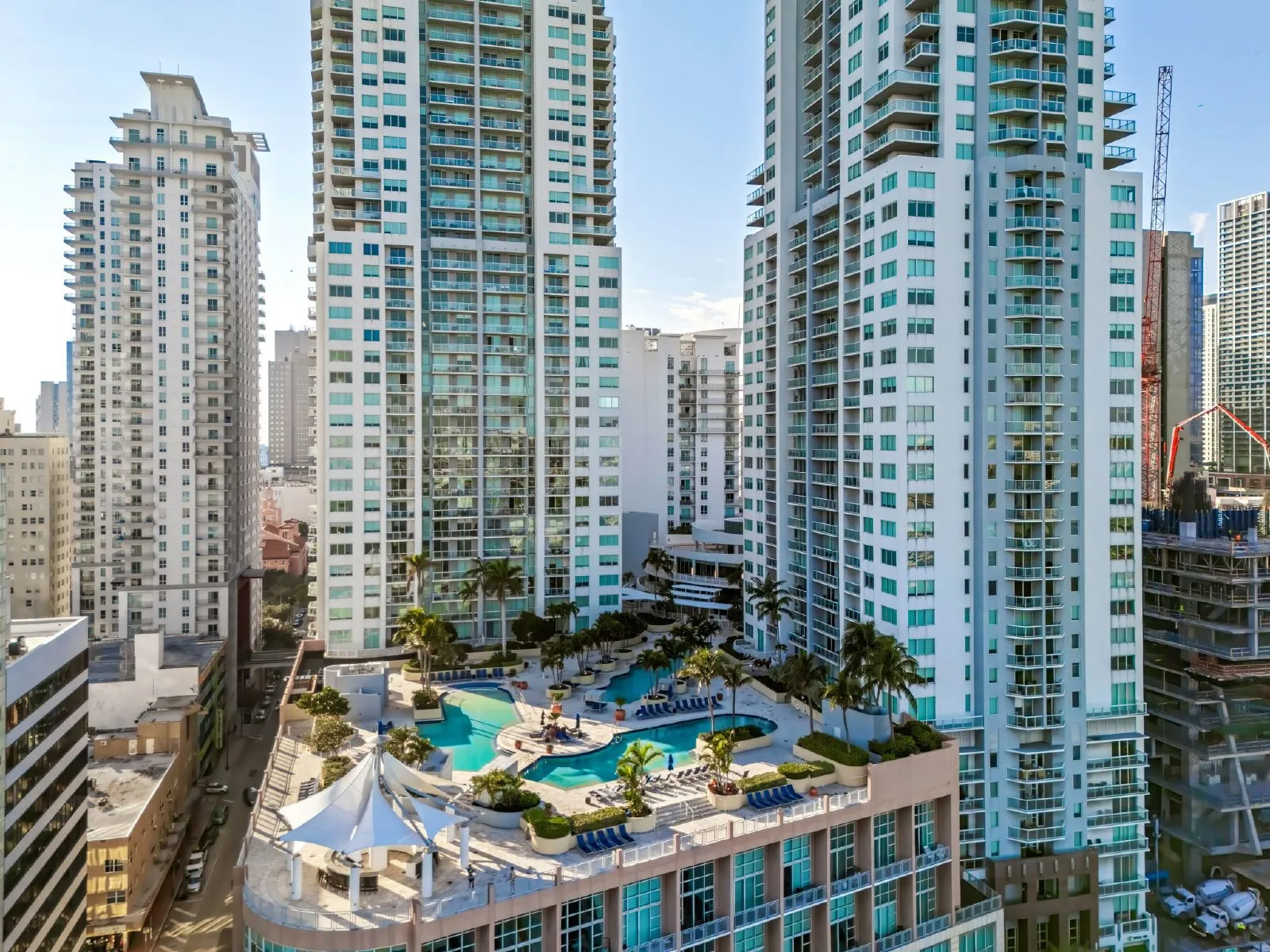
Among Miami condominiums for sale the first real fork is not which building — it is new construction versus resale. The two are different transactions, with different capital schedules, different timelines and different risks, and choosing the wrong one for your situation costs more than choosing the wrong floor.
New construction vs resale: which transaction fits you
A resale closes in weeks: you see the actual unit, you get an existing association with a track record, and you can finance it conventionally. New construction (preconstruction) is a multi-year commitment: you buy from plans, your capital goes in over the construction period, and you take delivery when the tower is complete. Preconstruction can offer the newest product and a developer's payment plan; resale offers certainty and speed. Your timeline, your liquidity and your appetite for delivery risk should decide the path — not the render.
Want to see the condominiums available right now?
View condominiums →The preconstruction deposit schedule and escrow
Preconstruction in Miami runs on a developer deposit schedule, not a single down payment. A typical structure for international buyers is roughly 20% at contract, another tranche at groundbreaking, further construction draws (often reaching 40%–50% before completion), and the balance at closing. Florida law requires the first deposits to sit in escrow, but developers can use later deposits for construction, which is why the developer's track record matters as much as the floor plan. Read exactly what is protected and what is released, and on what trigger.
Association approval and the closing process
Whether new or resale, a Miami condominium purchase passes through the association. Most buildings require a condo application and approval before closing — background and financial review, an interview in some cases, and an application fee — and the association holds a right of first refusal in many declarations. Build that timeline into your contract. On a resale you will also order a title search, a lien and estoppel letter from the association, and a survey; on a new unit you receive the developer's documents and a final walkthrough. None of it is hard, but each step has a date attached, and missing one delays the close.
Closing costs, financing and assignment
Budget beyond the price. Buyer closing costs in Miami typically run about 2%–5% — title, documentary stamps and intangible tax on any mortgage, recording, and on new construction often developer fees and a contribution to working capital. Non-residents can finance with a foreign national loan (usually 30%–40% down) or pay cash. If your plan is to assign (flip) a preconstruction contract before closing, confirm the developer permits it and on what terms — many restrict or charge for assignment, and that single clause can make or break a short-hold strategy.